Episode 15

April 25, 2026

00:18:32

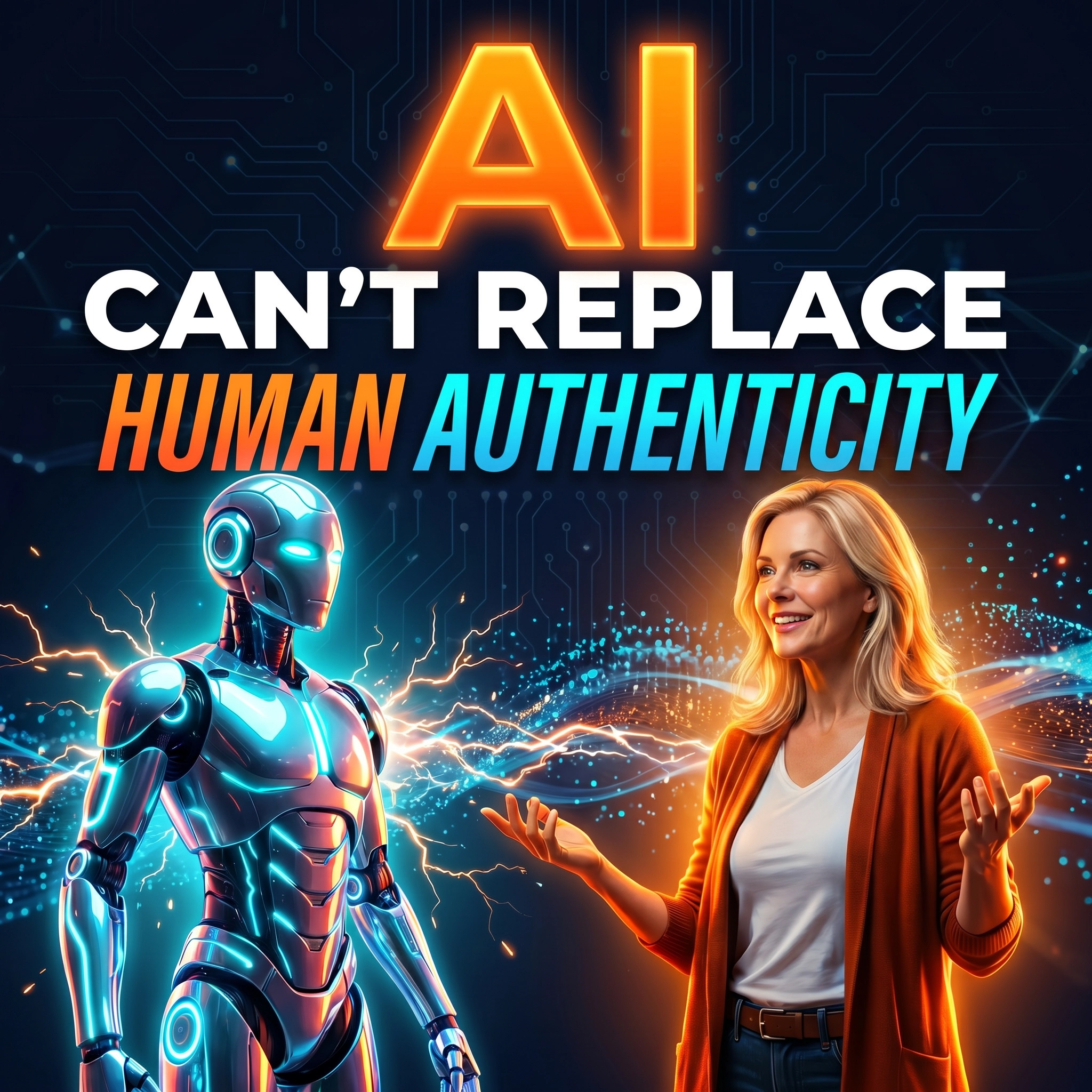
AI Can't Replace Human Authenticity

Hosted by

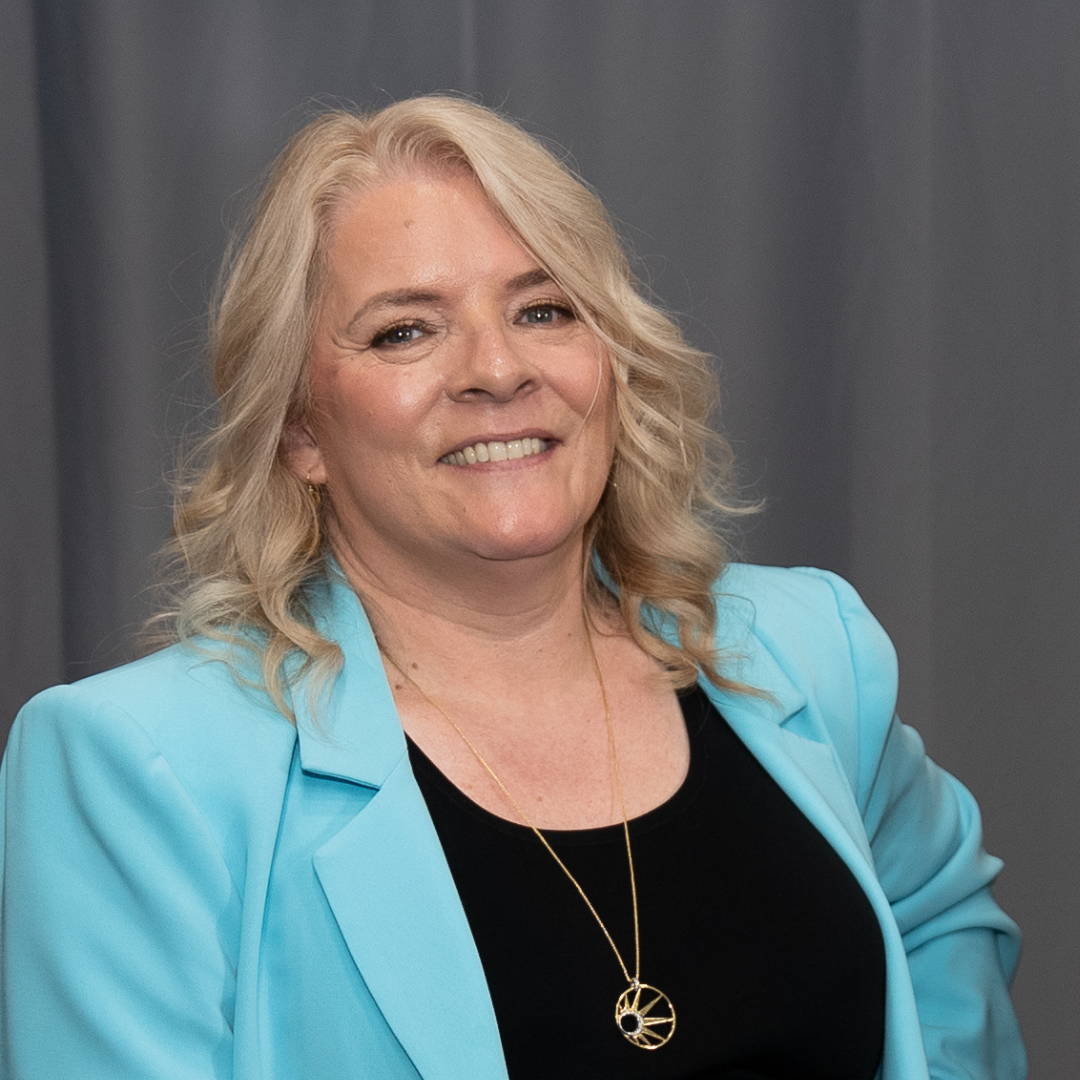
Elizabeth Gearhart
AI Can't Replace Human Authenticity
Real AI Use Cases Business Owners Roundtable
AI Can't Replace Human Authenticity

Apr 25 2026 | 00:18:32

/

Show Notes

AI vs Authenticity: How Smart Business Owners Really Use AI Without Losing the Human Touch | Real AI Use Cases Ep. 15

Can artificial intelligence help your business grow without making your brand feel robotic? In this episode of Real AI Use Cases: Business Owners Roundtable, host Elizabeth Gearhart and co-host Richard Gearhart lead a candid discussion with entrepreneur Ken Davenport, podcast booking expert Dominic Forth, and franchise leaders Kari Schroeter and Stacey Iltis.

They reveal how real companies are using AI today for research, customer service, audience insights, territory analysis, podcast growth, productivity, and brainstorming—while warning against over-automation and fake-sounding content.

This episode explores one of the biggest business questions of 2026:

How do you use AI efficiently while staying authentic?

TL;DL (Too Long; Didn’t Listen)

  • AI works best as a tool for research, support, analysis, and idea generation—not replacing human creativity.
  • Customers can tell when content feels robotic or generic, and they value authentic human connection more than ever.
  • Smart business owners use multiple AI tools like ChatGPT, Claude, and Gemini depending on the task.

What You'll Learn

  • Why authenticity may become a premium in the AI era
  • How Ken Davenport uses AI for Broadway research and business ideation
  • How AI can analyze millions of podcasts for trends and guest booking opportunities
  • Why automated customer communication can backfire
  • How franchise businesses use AI for operations, customer service, and territory planning
  • Why rephrasing prompts gets better answers from AI
  • Which AI tools entrepreneurs are using most: ChatGPT, Claude, Gemini, and Perplexity
  • Why Google reviews may help businesses show up in AI-generated answers

Best Quotes from the Episode

“People know when something is authentic—and when it’s not.”

“AI is free experimentation, free counsel, and a free tennis partner.”

“Don’t just take the first answer. Rephrase your query and go deeper.”

Perfect For

  • Entrepreneurs
  • Small business owners
  • Marketers
  • Podcasters
  • Franchise owners
  • Anyone trying to use AI without losing their brand voice

Subscribe for More Real AI Use Cases

Every episode features real-world examples of how businesses are using AI right now—not theory, hype, or fluff.

#AIForBusiness #ArtificialIntelligence #SmallBusinessGrowth #Entrepreneurship #ChatGPT #ClaudeAI #GoogleGemini #PodcastMarketing #Authenticity #BusinessStrategy

Chapters

  • (00:00:00) - How Real Companies Are Using AI
  • (00:01:14) - AI Use Cases Business Owners Round Table
  • (00:03:03) - How Businesses Are Using AI
  • (00:04:53) - How Franchisees Are Using AI in their Business
  • (00:06:22) - AI and Live Performances
  • (00:13:44) - Bill Maher on His Favorite Chat Programs
  • (00:16:53) - The AI Best-Practices
  • (00:18:06) - Real AI Use Cases for Business Owners Roundtable
View Full Transcript

Episode Transcript

Welcome to Real AI Use Cases: Business Owners Roundtable, where real entrepreneurs share how they are using artificial intelligence right now to grow smarter, move faster, and stay competitive. Hosted by Elizabeth Gearhart and Richard Gearhart, this episode explores one of the most important AI questions of today: How do you use AI without losing authenticity? Elizabeth Gearhart: Now it’s time for AI Use Cases: Business Owners Roundtable. I’m going to ask everyone here for one way they’re using AI in their business today. Then we’ll talk more deeply about how AI is changing business. Ken Davenport, what is one way you are using AI right now? Ken Davenport: AI in any business connected to art is an interesting thing. I firmly believe AI should never replace art or the artist. That doesn’t mean it can’t support us and make things more efficient. The more people try to use AI to create art, the more obvious it becomes that audiences know when something isn’t authentic. So in our business, we use AI heavily for research. For example: What Broadway revivals from 30 years ago haven’t been produced recently? Which older productions might resonate with today’s headlines? What trends should we watch? We also look at how AI can improve ticket conversions. Buying tickets often has friction. Friction is the enemy of conversion. Elizabeth Gearhart: That would be amazing. Dominic Forth, how are you using AI? Dominic Forth: We’ve been using AI to analyze over 4 million podcast shows. Five years ago, that kind of computing power wouldn’t have been realistic. We analyze: Show transcripts Hosts Guests Topics Themes Speech cadence Emotional patterns We use that data to help clients decide: Which story angle is strongest Which book idea has the most traction Which topics resonate with audiences How to increase podcast bookings Ultimately, we help clients perform better when they appear on shows. Elizabeth Gearhart: That’s incredible. Kari and Stacey, how are you using AI? Kari Schroeter: We use AI while growing our franchise network. It helps us expand resources for franchisees. But we never want to lose the personal touch. We can immediately tell when someone sends us copy that is clearly AI-written and nobody reviewed it. If we can tell, customers can tell too. So we use AI as a first pass: Organizing ideas Polishing drafts Expanding resources Then we edit it so it sounds like us. Stacey Iltis: Authenticity is one of our core values. AI can be a stepping stone, but people deserve something real. Richard Gearhart: I think we’re going to see a trend in 2026 and 2027 where people crave authentic human experiences. Live shows, Broadway, real conversations, real creators. There’s already so much AI-generated content online that many people are starting to reject it. AI has a place in entertainment and media—but human connection matters. Elizabeth Gearhart: For me, I use AI for research constantly. I spend a lot of time asking questions about how AI search engines decide: Which sources to summarize Which companies to cite Why some businesses appear in AI answers I’ve noticed something important: If you keep rephrasing your prompt and asking deeper questions, you get better answers. Don’t just accept the first response. Also, our business has benefited because people tell us they found Gearhart Law through ChatGPT and Google Gemini. One more clue: Google Business reviews matter. If you want to show up in AI-generated business answers, reviews help. Dominic Forth: Specific AI agents can be very useful. For example, we might ask AI to act like: A TV producer A business coach A skeptical journalist A social media strategist Then we test ideas against those viewpoints. That makes us much better prepared. Elizabeth Gearhart: I’ve used that too for presentations. Asking what objections people might raise is incredibly useful. Richard Gearhart: One caution: AI can be overly optimistic. We’ve tested social media hooks and asked AI to predict performance. It often predicts great success. Real life doesn’t always match. So AI is helpful—but don’t assume predictions are guarantees. Kari Schroeter: We recently moved from Outlook to Google Workspace and started using Gemini more. It has helped with: Customer service replies Location inquiries Virtual class questions Internal efficiency It cuts down on repetitive tasks while still allowing thoughtful responses. It also helps us analyze demographics when selecting territories for new franchise locations. Richard Gearhart: One thing I’ve noticed: As AI increases, I appreciate human interaction more. We recently signed up with a vendor, and after spending significant money, we received only automated emails. No personal thank you. No welcome note. That made me feel like just another number. That’s a warning for businesses. Automation without humanity can hurt relationships. Elizabeth Gearhart: That’s so true. Also, AI can be wrong. We had someone draft a legal reply using AI. It sounded fine—but the attorney reviewed it and said it was completely incorrect. Always verify expert information. Elizabeth Gearhart: Ken, before we finish—do you have a favorite AI tool right now? Ken Davenport: I’m using Claude more lately, but I use several. I ask ChatGPT something, then paste the same prompt into Claude. Then I compare answers. Sometimes I even ask one model what it thinks of the other answer. That helps me identify overlapping truths. I think of AI tools like a cabinet of advisors. Different tools are good at different things. But one of my favorite uses is this: Sometimes I just need momentum. I throw an idea into ChatGPT and it throws the ball back. That gets me moving. AI can be a brainstorming partner that helps you take action. Elizabeth Gearhart: That’s excellent advice. I once asked multiple AI tools which model was the most accurate. They all chose themselves. But they all ranked Claude highly. The truth is they all have strengths. Use the tool that works best for your task. And remember: Don’t put private information into public AI tools. Ken Davenport: Exactly. They’ll become more specialized over time. Some better for writing. Some better for math. Some better for images. Pick the right tool for the right job. Elizabeth Gearhart: Thank you all very much. This was a fantastic discussion. You’ve been listening to Real AI Use Cases: Business Owners Roundtable. Join us again for more stories of how businesses are using AI right now—because the future of business is being shaped today.

Other Episodes